Seattle’s Rainy Season Roof Checklist: How to Protect Your Home from Constant Moisture

Seattle is famous for its lush greenery, scenic waterfront, and iconic skyline—but it’s also known for its rainy climate. With an average of 150+ rainy days each year, Seattle homeowners face unique challenges when it comes to roof maintenance. Constant exposure to rain, dampness, and occasional storms can take a toll on your roof, leading to leaks, moss growth, wood rot, and costly structural damage if not addressed properly.

That’s why every homeowner in the Pacific Northwest should have a roof maintenance checklist to prepare for the rainy season. In this guide, we’ll cover the most important steps to protect your home from constant moisture, improve your roof’s durability, and save money on long-term repairs.

Why Roof Maintenance Matters in Seattle’s Rainy Season

Your roof is your first line of defense against Seattle’s persistent rain. Without regular inspections and maintenance, even minor issues can snowball into major problems:

  • Leaks and Water Damage – Small cracks or worn shingles allow water to seep into your attic and walls.

  • Moss and Algae Growth – Seattle’s damp climate promotes moss, lichen, and algae, which trap moisture and weaken shingles.

  • Rot and Mold – Moisture buildup leads to wood rot and mold growth, both of which compromise indoor air quality.

  • Shortened Roof Lifespan – Neglecting maintenance can reduce the lifespan of asphalt shingles, cedar shakes, or metal roofs by years.

By following a proper rainy season roof checklist, you’ll minimize these risks and ensure your home stays safe and dry.

Seattle Rainy Season Roof Checklist

1. Schedule a Professional Roof Inspection

Before the rainy season kicks into high gear, schedule a roof inspection with a licensed contractor. Professionals can identify hidden issues such as:

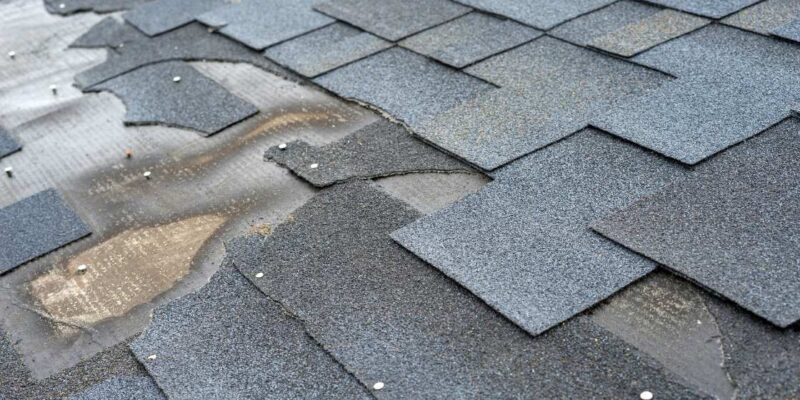
  • Damaged or curling shingles

  • Loose flashing around chimneys, vents, and skylights

  • Gutter clogs and drainage problems

  • Early signs of moss or algae growth

2. Clean and Maintain Gutters

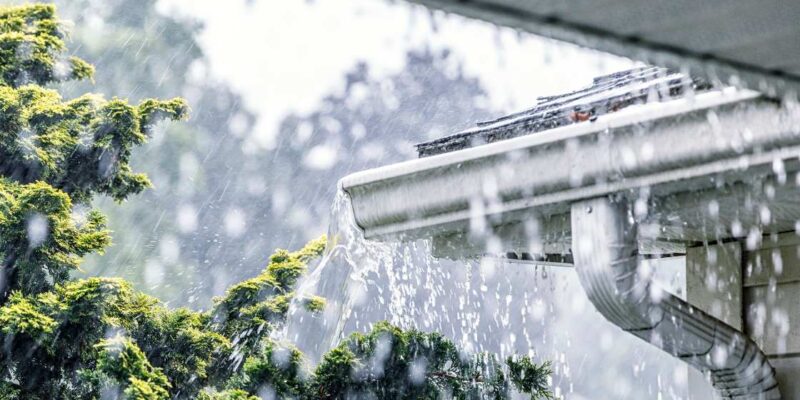
Gutters are crucial for directing rainwater away from your roof and foundation. In Seattle’s rainy climate, clogged gutters can quickly overflow, causing water to pool on your roof or seep into your siding.

Checklist for gutters:

  • Remove leaves, pine needles, and debris.

  • Check for leaks and sagging.

  • Install gutter guards for long-term protection.

  • Ensure downspouts extend at least 6 feet from your foundation.

Clean gutters not only protect your roof but also prevent basement flooding and landscape erosion.

3. Remove Moss and Algae Growth

Moss may look charming on old cottages, but on your roof, it’s a silent destroyer. Moss traps moisture, lifting shingles and allowing water to seep underneath. Algae, on the other hand, causes dark streaks that make your roof look aged and unsightly.

Prevention and removal tips:

4. Check Attic Ventilation and Insulation

Moisture doesn’t just attack your roof from the outside—it also builds up inside your home. Poor attic ventilation leads to condensation, which contributes to mold growth and wood rot.

Checklist for attic care:

  • Inspect soffit and ridge vents for blockages.

  • Ensure insulation is dry and evenly distributed.

  • Use vapor barriers if needed to reduce indoor humidity.

Maintaining proper airflow extends the life of your roof and improves energy efficiency, keeping your home warmer in winter and cooler in summer.

5. Inspect and Seal Flashing

Flashing is the thin metal installed around roof penetrations such as chimneys, skylights, and vent pipes. In Seattle’s wet climate, flashing failures are one of the most common sources of roof leaks.

What to do:

  • Check for cracks, rust, or loose flashing.

  • Reseal joints with roofing cement or replace damaged flashing.

  • Pay extra attention to skylights, as they are more prone to leaks in constant rain.

6. Trim Overhanging Branches

Seattle is full of beautiful trees, but overhanging branches can wreak havoc on your roof. They drop leaves and pine needles, clogging gutters and encouraging moss growth. During windstorms, branches can scrape or puncture roofing materials.

Preventive steps:

  • Trim branches at least 6–10 feet away from the roofline.

  • Remove dead or weakened limbs that could fall during storms.

  • Schedule seasonal tree trimming, especially before heavy rains.

7. Check Roof Drainage Systems

Flat and low-sloped roofs are common in Seattle neighborhoods, and they require special attention. Water pooling is a serious problem that can weaken roofing membranes and cause leaks.

How to check drainage:

  • Ensure scuppers, drains, and downspouts are clear.

  • Look for signs of standing water after rain.

  • Consider installing tapered insulation to improve slope and drainage.

8. Repair or Replace Damaged Shingles

Even a single missing or cracked shingle can allow water to seep into your roof deck. Since Seattle’s rainy season is long and relentless, replacing damaged shingles promptly is essential.

Signs you need shingle replacement:

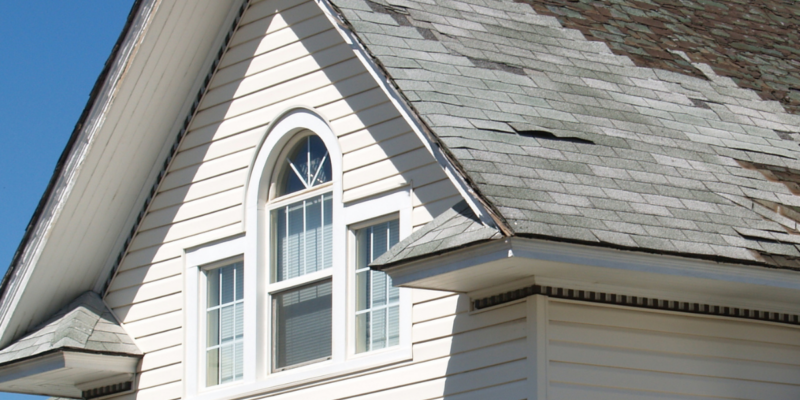
  • Curling or buckling edges

  • Cracked surfaces

  • Granule loss on asphalt shingles

  • Exposed nail heads

If your roof is over 20 years old, consider investing in a full replacement with moisture-resistant roofing materials like architectural asphalt, cedar shakes, or metal roofing.

  1. Waterproof Your Roof with Sealants and Coatings

For added protection, especially on flat roofs, apply a waterproof sealant or roof coating. These products create a moisture-resistant barrier, extending the roof’s lifespan and reducing leaks.

Options include:

  • Silicone coatings (excellent for heavy rain protection)

  • Acrylic coatings (UV-resistant, energy-efficient)

  • Bitumen-based products (ideal for flat roofs)

10. Schedule Routine Roof Maintenance

The best way to protect your home from Seattle’s rainy season is through ongoing roof maintenance. Instead of waiting for problems, invest in a preventive maintenance plan with a local roofing company.

Benefits include:

  • Early detection of leaks and damage

  • Professional moss and debris removal

  • Extended roof lifespan

  • Peace of mind during heavy rainfall

Additional Tips for Protecting Your Roof in Seattle

  • Install a Rain Diverter: Helps direct rainwater away from entry doors and walkways.

  • Upgrade to Impact-Resistant Shingles: Durable shingles withstand wind, rain, and debris.

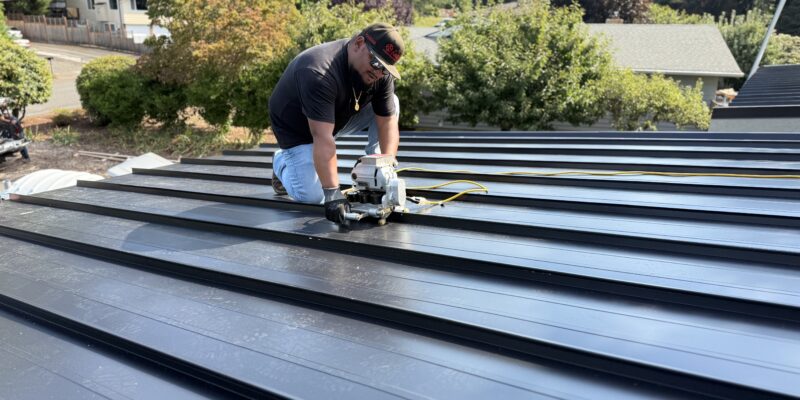
  • Consider Metal Roofing: A long-lasting, moisture-resistant option popular in the Pacific Northwest.

  • Check for Interior Water Stains: Ceiling stains or peeling paint often signal roof leaks.

Seattle’s climate is beautiful but unforgiving when it comes to roof health. Constant rain, moss growth, and heavy winds demand a proactive approach to roof care and maintenance. By following this Seattle rainy season roof checklist, you’ll protect your home from costly water damage, improve energy efficiency, and extend your roof’s lifespan.

Whether it’s a simple gutter cleaning, moss removal, or a complete roof inspection, staying ahead of the rain is the smartest investment you can make as a Seattle homeowner.

With all these factors outlined in the article, and help from a professional roofer like MBA Construction Corp, you’ll be able to create a beautiful and cohesive look that will last for years. For over 15 years, MBA Construction Corp has been the trusted professional roofing company in Seattle and Puget Sound area, contact MBA Construction today to get started! Or call 206-753-9563.
How Often Should You Replace or Repair Your Roof in Seattle’s Wet Climate?

Seattle is known for its lush greenery, stunning waterfront views, and—of course—its famously rainy weather. While the constant drizzle may be great for coffee culture and evergreen landscapes, it can be tough on your home’s roof. The damp, wet climate accelerates wear and tear, meaning homeowners must be proactive about roof maintenance, timely repairs, and, when necessary, full roof replacements.

If you’re wondering how often you should replace or repair your roof in Seattle’s wet climate, this guide will cover everything you need to know, including roof lifespan, warning signs of damage, and how to protect your investment with preventative care.

The Average Lifespan of Different Roof Types in Seattle

Your roof’s longevity depends largely on the materials used, combined with the environmental stress of Seattle’s constant rain, moss growth, and seasonal storms.

Asphalt Shingles

  • National lifespan: 20–30 years 
  • Seattle lifespan: 15–20 years
    Moisture, moss, and algae tend to shorten the life of asphalt shingles in the Pacific Northwest. Regular cleaning and moss treatment are essential. 

Cedar Shakes and Shingles

  • National lifespan: 30–40 years 
  • Seattle lifespan: 20–25 years
    While cedar looks beautiful and is common in the region, excess moisture leads to rot and mold without frequent maintenance. 

Metal Roofs

  • National lifespan: 40–70 years 
  • Seattle lifespan: 40–60 years
    Metal roofing is highly resistant to water and moss growth, making it one of the best roofing choices for Seattle’s climate. 

Tile and Slate Roofs

  • National lifespan: 50–100 years 
  • Seattle lifespan: 50–80 years
    These roofs perform well in wet conditions but can suffer from moss growth and require specialized cleaning to maintain performance.

How Often Should You Repair Your Roof in Seattle?

Even if you don’t need a full replacement yet, timely repairs can significantly extend the lifespan of your roof. Here’s a breakdown of when to consider repairs:

Annual Inspections Are Key

Seattle homeowners should schedule a professional roof inspection at least once a year—preferably in early fall, before the rainy season sets in.

Common Repair Intervals

  • Every 3–5 years: Minor maintenance such as replacing loose shingles, patching small leaks, and cleaning gutters. 
  • As needed: Fixing storm damage, flashing issues, or moss-related damage. 
  • Every 5–7 years: Cedar shake roofs may require partial re-shingling or treatment for moss and mildew. 

Signs That It’s Time to Repair or Replace Your Roof

In Seattle’s damp climate, small issues can quickly escalate into major damage if ignored. Look for these signs:

Indicators You Need Roof Repairs:

  • Missing or cracked shingles 
  • Moss or algae growth that keeps returning 
  • Leaks or water stains inside the home 
  • Damaged flashing around chimneys, skylights, or vents 
  • Gutter granule buildup from asphalt shingles 

Indicators You Need a Roof Replacement:

  • Roof age nearing the end of its expected lifespan 
  • Widespread shingle curling or buckling 
  • Multiple leaks or signs of rot 
  • Significant sagging in the roof structure 
  • Expensive or repeated repair costs 

Why Seattle’s Wet Climate Shortens Roof Lifespan

Seattle receives an average of 150 rainy days per year. Combine that with long, damp winters, and you’ve got the perfect conditions for roof deterioration.

Moisture Damage

Prolonged exposure to water causes wood rot, mold, and deterioration of underlayment.

Moss and Algae Growth

The Pacific Northwest is famous for moss, and while it may look charming, moss lifts shingles and traps moisture, leading to premature decay.

Freeze-Thaw Cycles

Even though Seattle has milder winters than other U.S. cities, occasional freezing temperatures expand and contract roofing materials, causing cracks and leaks.


Preventative Maintenance for Seattle Roofs

Staying on top of maintenance can help you get the most out of your roof. Here are some expert tips for extending your roof’s lifespan:

1. Regular Roof Cleaning

Schedule moss and algae removal every 1–2 years. Avoid pressure washing, as it can damage shingles; instead, use professional soft washing.

2. Gutter Cleaning

Clogged gutters lead to water pooling and leaks. Clean them at least twice a year—more often if you live under heavy tree cover.

3. Moss Treatment

Apply zinc or copper strips to the ridge of your roof to naturally prevent moss and algae growth.

4. Seal and Repair Flashing

Check metal flashing around chimneys, skylights, and vents, as leaks often start in these weak points.

5. Schedule Annual Inspections

Professional roof inspections catch small issues before they require expensive repairs or early replacement.

Should You Repair or Replace?

Deciding whether to repair or replace comes down to cost, age, and damage extent.

  • Choose repairs if: The roof is under 15 years old and issues are localized. 
  • Choose replacement if: Repairs are becoming frequent and costly, or the roof is nearing the end of its lifespan. 

In Seattle, investing in a high-quality, water-resistant roofing material like metal or slate may save you thousands over time.


Cost of Roof Repair vs. Replacement in Seattle

Roof Repair Costs:

  • Minor repairs: $300–$800 
  • Moderate repairs (leaks, flashing): $800–$1,500 
  • Larger repairs: $1,500–$3,000 

Roof Replacement Costs:

  • Asphalt shingles: $8,000–$15,000 
  • Cedar shakes: $15,000–$25,000 
  • Metal roofs: $18,000–$35,000 
  • Slate/tile: $25,000–$50,000+ 

While the upfront investment in a new roof can be significant, it protects your home’s value, prevents interior water damage, and can even lower insurance premiums.

So, how often should you replace or repair your roof in Seattle’s wet climate?

  • Expect asphalt shingles to last 15–20 years. 
  • Cedar shakes typically last 20–25 years. 
  • Metal roofs can last 40–60 years with proper care. 
  • Tile and slate roofs can last 50+ years with maintenance. 

Annual inspections, moss prevention, and timely repairs are crucial in Seattle’s damp environment. By staying proactive, you’ll extend the lifespan of your roof and avoid costly emergency replacements.

With all these factors outlined in the article, and help from a professional roofer like MBA Construction Corp, you’ll be able to create a beautiful and cohesive look that will last for years. For over 15 years, MBA Construction Corp has been the trusted professional roofing company in Seattle and Puget Sound area, contact MBA Construction today to get started! Or call 206-753-9563.
Flat vs. Pitched Roofs in Puget Sound: Which Is Right for Your Home?

When it comes to roofing in the Puget Sound region, homeowners face unique challenges. From heavy rainfall and year-round moisture to occasional snow and strong winds, choosing the right roof design is critical. One of the most common questions homeowners ask when planning a new roof or replacement is: Should I choose a flat roof or a pitched roof?

Both options have their benefits and drawbacks, especially in a climate like Puget Sound’s. This guide will help you weigh the pros and cons of flat vs. pitched roofs and determine which option works best for your home.

Understanding Flat Roofs

Flat roofs are not entirely flat; they usually have a slight slope (1–10 degrees) to allow for water drainage. They are often found on modern homes, commercial buildings, and minimalist architectural designs.

Advantages of Flat Roofs

  1. Modern Aesthetic
    Flat roofs give homes a sleek, contemporary look. Many homeowners in Seattle, Tacoma, and surrounding areas choose them to complement modern architecture.

  2. Usable Space
    A flat roof can double as a functional space. You can use it as a rooftop deck, garden, or even a solar panel installation area—something highly appealing in urban Puget Sound neighborhoods.

  3. Cost-Effective Installation
    Flat roofs generally require fewer materials and less labor to install, making them more affordable upfront than pitched roofs.

  4. Easier Accessibility
    Maintenance tasks like cleaning gutters, inspecting shingles, or installing rooftop equipment are simpler on flat roofs due to their safe, walkable surface.

Disadvantages of Flat Roofs

  1. Drainage Issues
    Puget Sound receives 37–50 inches of rain annually, depending on location. Flat roofs drain slower than pitched roofs, increasing the risk of standing water, leaks, and moss growth.

  2. Shorter Lifespan
    Flat roofing materials—such as EPDM, TPO, or modified bitumen—tend to last 15–25 years. This is shorter compared to the lifespan of pitched roof shingles.

  3. Insulation Challenges
    Flat roofs may not offer as much natural insulation, potentially increasing heating costs during cold, damp Northwest winters.

  4. Limited Style Compatibility
    While modern homes look great with flat roofs, traditional craftsman and colonial-style homes common in Puget Sound neighborhoods typically suit pitched roofs better.

Understanding Pitched Roofs

Pitched roofs, also called sloped roofs, are the most common residential roofing style. The degree of slope can vary widely depending on design, from low-pitch to steep.

Advantages of Pitched Roofs

  1. Superior Water Drainage
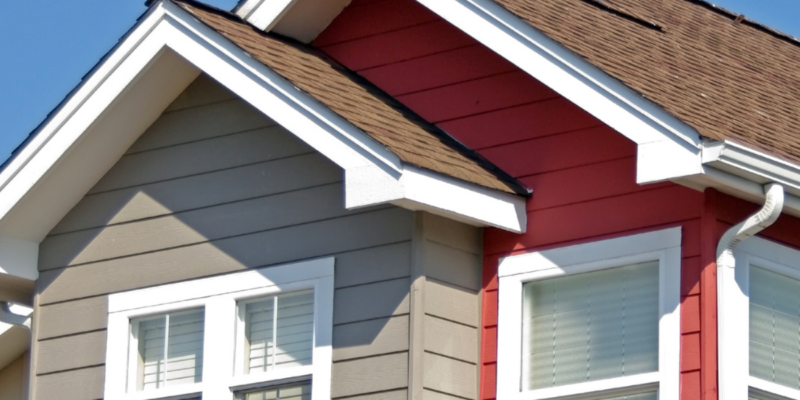
    With steep angles, pitched roofs allow rainwater and snow to slide off quickly, reducing the risk of leaks and standing water—an essential benefit in the rain-heavy Puget Sound climate.

  2. Longer Lifespan
    Pitched roofs, especially those made with asphalt shingles, metal, or clay tiles, can last 25–50 years depending on the material and maintenance.

  3. Classic Curb Appeal
    Pitched roofs complement a variety of architectural styles found throughout Seattle, Everett, Olympia, and beyond. They provide a timeless look that boosts curb appeal and resale value.

  4. Energy Efficiency
    The attic space under pitched roofs adds an extra layer of insulation, helping regulate indoor temperatures. This can reduce energy bills in both cold and hot weather.

  5. Material Options
    With pitched roofs, homeowners can choose from asphalt shingles, cedar shakes, metal roofing, slate, or tile—providing flexibility in style and durability.

Disadvantages of Pitched Roofs

  1. Higher Installation Costs
    Pitched roofs are more expensive to install due to additional materials, structural requirements, and labor.

  2. Difficult Accessibility
    Steeper slopes make it harder and more dangerous for homeowners to perform DIY maintenance.

  3. Wind Resistance Concerns
    In areas with frequent windstorms, like coastal Puget Sound, steeply pitched roofs may experience higher wind uplift if not installed correctly.

Climate Considerations in Puget Sound

The Puget Sound region has a marine climate with:

  • Frequent rainfall

  • Damp winters

  • Occasional snow

  • Windy conditions in coastal areas

These factors make roof drainage and moisture resistance top priorities for homeowners.

  • Flat roofs are more prone to leaks due to standing water, moss growth, and blocked drains.

  • Pitched roofs naturally shed water and snow, making them a more reliable option for long-term durability.

Cost Comparison: Flat vs. Pitched Roofs

  • Flat Roof Installation Costs: $8,000–$16,000 for an average-sized home in Puget Sound.

  • Pitched Roof Installation Costs: $12,000–$25,000 depending on slope, materials, and size.

While flat roofs are cheaper initially, they often require more frequent roof repairs and replacements. Pitched roofs have higher upfront costs but a longer lifespan, which can make them more cost-effective over time.

Maintenance Needs

  • Flat Roofs: Require frequent inspections, especially after storms. Homeowners need to clear debris, check for ponding water, and maintain drainage systems.

  • Pitched Roofs: Require less frequent maintenance but may need professional help for cleaning gutters, moss removal, and replacing damaged shingles.

In Puget Sound, where moss and algae growth are common, both roof types benefit from regular roof cleaning and professional inspections.

Energy Efficiency and Solar Potential

  • Flat Roofs: Easier to install solar panels because of the flat surface. Panels can be angled to capture maximum sunlight, which is valuable in the cloudy but solar-friendly Puget Sound region.

  • Pitched Roofs: Solar installation depends on the slope and orientation. South-facing pitched roofs can generate excellent solar output, but north-facing slopes may be less efficient.

Which Roof is Right for Your Puget Sound Home?

The decision comes down to your budget, home design, and lifestyle goals.

Choose a flat roof if:

  • You want a modern, minimalist design.

  • You’d like to use your roof as a deck, garden, or solar space.

  • You’re okay with regular maintenance and a shorter lifespan.

Choose a pitched roof if:

  • You want maximum durability against Puget Sound’s rainfall and moisture.

  • You prefer traditional architectural aesthetics.

  • You want long-term energy efficiency and lower maintenance.

When comparing flat vs. pitched roofs in Puget Sound, the climate plays a huge role in decision-making. Flat roofs may appeal to those seeking a modern look and extra outdoor space, but they require diligent maintenance to handle the region’s rainfall. Pitched roofs, while more expensive upfront, generally provide better protection, longevity, and classic curb appeal—making them the more popular choice for most homeowners in the area.

Whether you’re replacing your current roof or building a new home, consult a local Puget Sound roofing contractor to assess your property’s needs. The right choice will not only protect your home from the elements but also enhance its long-term value.

With all these factors outlined in the article, and help from a professional roofer like MBA Construction Corp, you’ll be able to create a beautiful and cohesive look that will last for years. For over 15 years, MBA Construction Corp has been the trusted professional roofing company in Seattle and Puget Sound area, contact MBA Construction today to get started! Or call 206-753-9563.