
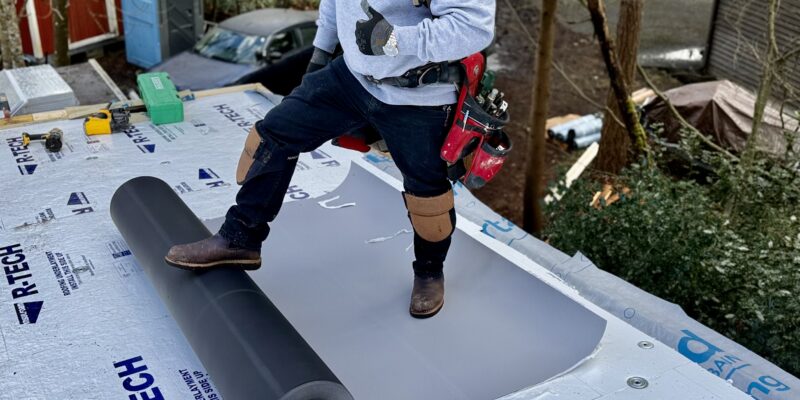
Your roof is one of the most critical components of your home, providing protection from the elements while contributing to energy efficiency, structural integrity, and curb appeal. Over time, however, every roof experiences wear and tear. When problems arise, homeowners are often faced with a difficult decision: should they invest in roof repair and roof replacement, or is a simple repair enough to restore the roof’s performance?
Choosing between repairing and replacing a roof is not always straightforward. While repairs can be a cost-effective solution for minor damage, there are situations where replacing the entire roof is the smarter long-term investment. Understanding the factors that influence this decision can help homeowners make informed choices that protect both their property and their budget.
Understanding the Difference Between Roof Repair and Roof Replacement
Before deciding which option is best, it is important to understand what each service involves.
Roof repair focuses on fixing specific areas of damage while preserving the majority of the existing roofing system. Repairs may include replacing missing shingles, sealing leaks, repairing flashing, or addressing localized storm damage. Roof repairs are generally less expensive and can often be completed quickly.
Roof replacement, on the other hand, involves removing some or all of the existing roofing materials and installing a new roofing system. Depending on the roof’s condition, replacement may include new decking, underlayment, flashing, ventilation components, and shingles. Although replacement requires a larger initial investment, it provides long-term protection and can significantly extend the life of the home.
Understanding the scope of roof repair and roof replacement services is the first step toward determining the most appropriate solution.
Consider the Age of Your Roof
The age of your roof is one of the most important factors when deciding between repair and replacement. Different roofing materials have varying life expectancies.
Traditional asphalt shingle roofs typically last between 20 and 30 years, while metal roofs may last 40 to 70 years or longer. If your roof is relatively new and the damage is isolated, repairs are often sufficient.
However, if the roof is approaching the end of its expected lifespan, repeated repairs may no longer be cost-effective. Investing in a full replacement may provide better value and reduce the likelihood of ongoing problems.
Homeowners evaluating roof repair and roof replacement options should consider both the roof’s age and its overall condition rather than focusing solely on immediate repair costs.
Assess the Extent of the Damage
The severity and location of the damage play a significant role in determining the appropriate course of action.
Minor issues such as a few missing shingles, small leaks, or damaged flashing can usually be resolved with targeted repairs. If the damage is limited to a specific section of the roof and the surrounding materials remain in good condition, repairs are often the most practical choice.
In contrast, widespread damage affecting large portions of the roof may indicate deeper structural concerns. Extensive water damage, significant storm damage, widespread shingle deterioration, or sagging roof sections often signal the need for replacement.
Professional inspections are essential when evaluating the extent of damage. Experienced roofing contractors can determine whether roof repair and roof replacement services are necessary based on a thorough assessment.
Signs That Roof Repair May Be Enough
In many situations, roof repairs can successfully restore the roof’s integrity without requiring a complete replacement. Some common scenarios where repairs are appropriate include:
Isolated Leaks
A single leak caused by damaged flashing, a cracked vent boot, or a missing shingle can often be repaired quickly and effectively.
Limited Storm Damage
If a storm has damaged only a small portion of the roof, replacing the affected materials may be sufficient.
Minor Shingle Damage
A few cracked, curled, or missing shingles do not necessarily indicate that the entire roof needs replacement.
Recent Roof Installation
If the roof is relatively new and otherwise in excellent condition, repairs are usually the most cost-effective solution.
When these situations apply, homeowners may benefit from choosing roof repair and roof replacement services selectively, prioritizing repairs where appropriate.
Signs That Roof Replacement Is the Better Option
While repairs can address many roofing problems, certain warning signs indicate that replacement may be unavoidable.
Frequent Leaks
Multiple leaks occurring throughout the roof often suggest widespread deterioration that repairs alone cannot resolve.
Extensive Water Damage
Water stains on ceilings, mold growth, rotting roof decking, or structural damage typically point to more significant issues requiring replacement.
Widespread Shingle Deterioration
If shingles are curling, cracking, losing granules, or deteriorating across large sections of the roof, replacement may provide a more reliable long-term solution.
Sagging Roof Structure
A sagging roof often indicates serious structural problems that should be addressed immediately through replacement.
Rising Energy Bills
Older roofs with poor insulation and ventilation can reduce energy efficiency. Replacing the roof may improve thermal performance and lower utility costs.
When multiple warning signs are present, investing in roof repair and roof replacement solutions that include full replacement often delivers greater value and peace of mind.
Comparing Costs: Repair vs. Replacement
Cost is often a major factor influencing homeowners’ decisions. Roof repairs generally involve lower upfront expenses and may be ideal for addressing isolated problems.
However, repeatedly repairing an aging roof can become more expensive over time. Frequent maintenance costs may eventually exceed the price of a complete replacement.
Although roof replacement requires a larger investment initially, it eliminates recurring repair expenses and provides long-term protection. A new roof may also increase property value, improve energy efficiency, and enhance curb appeal.
When comparing roof repair and roof replacement costs, homeowners should consider both immediate expenses and long-term financial implications.
The Impact of Weather and Climate
Local climate conditions significantly influence roofing performance and longevity. Homes located in regions with heavy rainfall, snow, high winds, or intense sunlight often experience accelerated roof wear.
Frequent exposure to severe weather may make replacement the more practical option for older roofs. Conversely, newer roofs that sustain isolated weather-related damage may only require repairs.
Homeowners should discuss regional climate factors with roofing professionals when evaluating roof repair and roof replacement options.
Insurance Considerations
Homeowners insurance may help cover roofing costs in certain situations, particularly when damage results from sudden events such as storms, hail, or falling trees.
Insurance companies typically assess the cause and extent of damage when determining coverage eligibility. In some cases, insurers may approve repairs, while extensive storm damage could qualify for replacement coverage.
Maintaining documentation, scheduling prompt inspections, and working with experienced roofing contractors can simplify the insurance claims process related to roof repair and roof replacement.
The Importance of Professional Roof Inspections
Determining whether a roof requires repair or replacement should never rely solely on a visual inspection from the ground. Many roofing problems are hidden beneath shingles or within attic spaces.
Professional roofing contractors conduct comprehensive evaluations that include examining shingles, flashing, underlayment, ventilation systems, decking, and structural components. Their expertise allows them to accurately diagnose roofing issues and recommend the most appropriate solution.
Scheduling regular inspections also helps identify minor problems early, potentially reducing the need for major repairs or premature replacement.
Preventive Maintenance Can Extend Roof Life
Routine maintenance plays a vital role in maximizing roof lifespan and minimizing unexpected expenses. Regular gutter cleaning, debris removal, moss treatment, and annual inspections can help preserve roofing materials and prevent small issues from becoming major problems.
By investing in preventive maintenance, homeowners can often postpone the need for replacement and reduce the overall costs associated with roof repair and roof replacement.
Deciding between roof repair and roof replacement requires careful consideration of several factors, including roof age, extent of damage, overall condition, and long-term costs. While repairs are often suitable for isolated issues on newer roofs, older roofs experiencing widespread deterioration may benefit more from complete replacement.
Ultimately, the best decision comes from a thorough professional inspection and a clear understanding of your roof’s condition. By working with experienced roofing professionals and addressing problems promptly, homeowners can make informed choices that protect their investment, enhance home value, and ensure reliable performance for years to come.
About Us
With these factors in mind, and help from a professional general construction and gutter installation company like MBA Construction Corp, you’ll be able to create a beautiful and cohesive look that will last for years. For over 15 years, MBA Construction Corp has been the trusted professional gutter installation company in the Seattle and Puget Sound area, contact MBA Construction today to get started! Or call 206-753-9563.