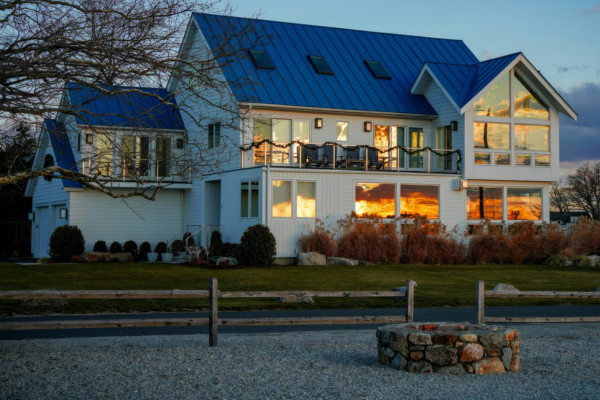
Your home’s exterior is designed to do much more than create curb appeal. Every component, from the roof to the siding, works together as a complete protective system that shields your home from rain, wind, temperature changes, and moisture. While homeowners often think of roofing and siding as separate elements, they are closely connected. When one component fails, it can affect the performance of the other, potentially leading to water damage, energy loss, and expensive structural repairs.
In regions like Washington, where homes are exposed to frequent rainfall and changing weather conditions throughout the year, maintaining both the roof and siding is essential. Homeowners looking for reliable roofing King County, WA services should understand that protecting a home involves more than simply replacing shingles or repairing damaged siding. A well-maintained exterior works as a unified barrier that keeps moisture out, improves energy efficiency, and preserves the structural integrity of the property.
Your Roof Is the First Line of Defense
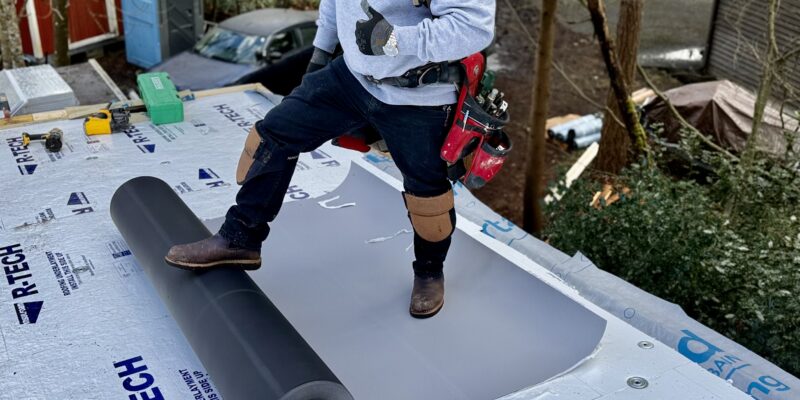
The roof serves as your home’s primary defense against the elements. It protects the structure from heavy rain, snow, wind, and harmful ultraviolet rays while directing water safely away from the building. Roofing materials, flashing, underlayment, and ventilation all work together to prevent moisture from entering the home.
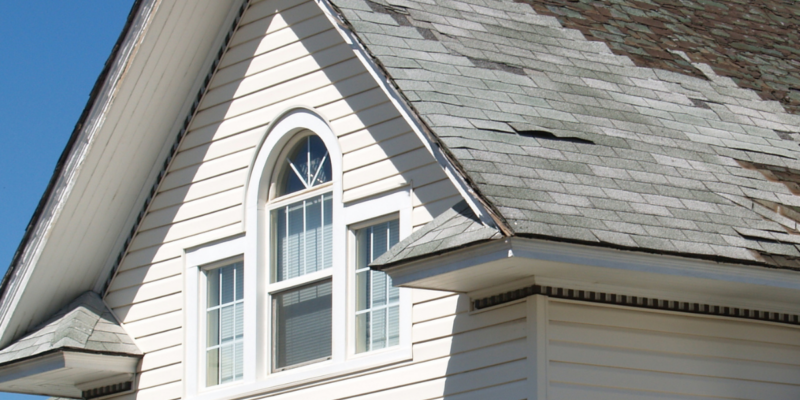
Even minor roofing problems can quickly become major concerns if ignored. Missing shingles, cracked flashing, damaged valleys, or clogged drainage systems allow water to penetrate beneath the roofing materials. Once moisture enters the roof assembly, it can spread into walls, ceilings, insulation, and even the home’s foundation.
Prompt roof repair helps address these issues before they develop into larger structural problems. Regular inspections also allow homeowners to identify small areas of wear that can be repaired before they require a complete roof replacement.
Siding Protects the Walls Beneath
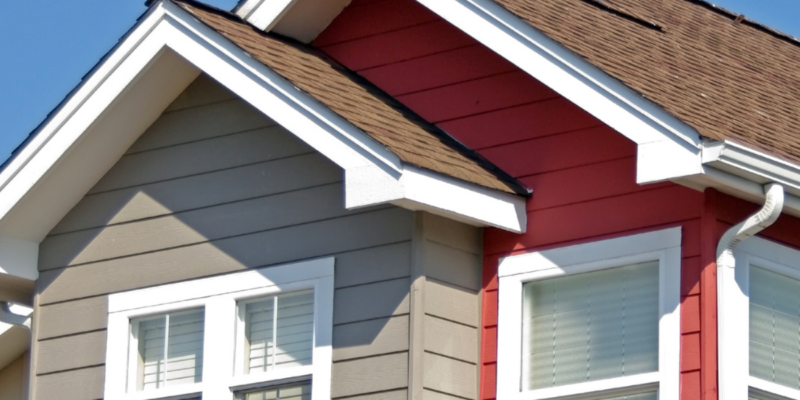
While the roof sheds water from above, siding protects the vertical surfaces of the home from moisture, wind-driven rain, and fluctuating temperatures. High-quality siding also improves insulation, reduces air leaks, and contributes significantly to the home’s energy efficiency.
Siding acts as a protective shell that prevents water from reaching the wall framing and insulation. Without properly installed siding, moisture can penetrate behind exterior walls, resulting in mold growth, wood rot, and costly repairs.
Different siding materials, including fiber cement, engineered wood, vinyl, and composite products, offer varying levels of durability and maintenance requirements. Choosing the right material depends on climate, budget, and long-term performance goals.
Roofing and Siding Must Work as One System
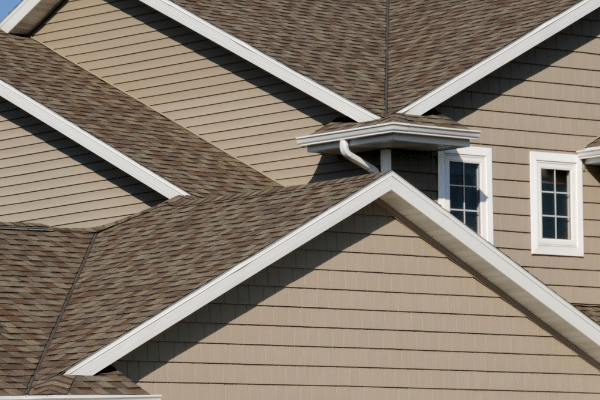
Although roofing and siding perform different functions, they are interconnected. Water flowing off the roof eventually reaches gutters, fascia, soffits, and siding. If any one of these components fails, moisture can travel into areas where it does not belong.
Proper flashing is one of the most important connections between the roof and siding. Flashing directs water away from roof edges, chimneys, dormers, skylights, and wall intersections. If flashing becomes damaged or improperly installed, water can bypass the roofing system and seep behind the siding.
Similarly, gutters and downspouts help move water away from both the roof and the home’s foundation. Overflowing gutters can cause water to run directly down exterior walls, leading to siding deterioration and moisture intrusion.
Moisture Is the Biggest Threat to Your Home
Washington’s wet climate makes moisture management especially important. Frequent rainfall creates continuous exposure to water, making homes more vulnerable to leaks and hidden damage.
If roofing materials fail to channel water properly, moisture can become trapped behind siding, inside insulation, or within structural framing. Over time, this hidden moisture encourages mold growth, wood decay, and deterioration of building materials.
Likewise, damaged siding can allow rainwater to enter wall cavities even when the roof itself remains in good condition. Because roofing and siding are connected, protecting one without maintaining the other often leaves the home vulnerable to future problems.
Energy Efficiency Depends on Both Systems
Many homeowners associate energy efficiency with insulation or windows, but roofing and siding play equally important roles. Together, they help regulate indoor temperatures by reducing heat transfer and minimizing unwanted air leakage.
A properly ventilated roof reduces excessive attic temperatures during summer while helping prevent condensation during colder months. Well-installed siding creates an additional thermal barrier that reduces drafts and protects wall insulation.
When either system becomes damaged, heating and cooling equipment must work harder to maintain comfortable indoor temperatures. This often results in higher utility bills and reduced overall energy efficiency.
Warning Signs You Should Never Ignore
Recognizing early warning signs can help homeowners avoid expensive repairs. Water stains on interior ceilings, peeling paint, warped siding, missing shingles, loose flashing, or unusually high energy bills may indicate problems with the home’s exterior envelope.
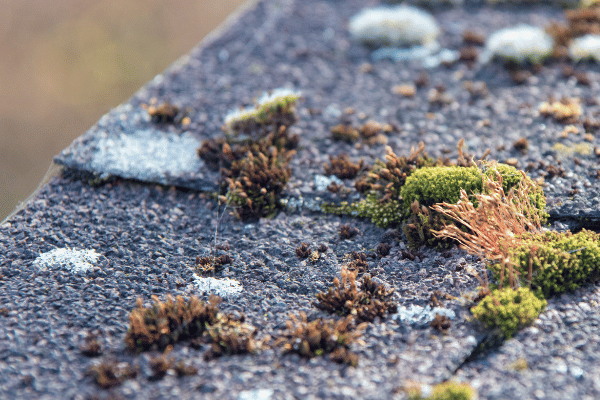
Outside the home, homeowners should also watch for cracked caulking, loose siding panels, sagging gutters, moss growth, or shingles that appear curled or damaged. These issues may seem minor initially but can quickly worsen if moisture continues entering the structure.
Scheduling professional inspections after major storms is an excellent way to identify hidden damage before it develops into larger repair projects.
Roof Repair vs. Roof Replacement
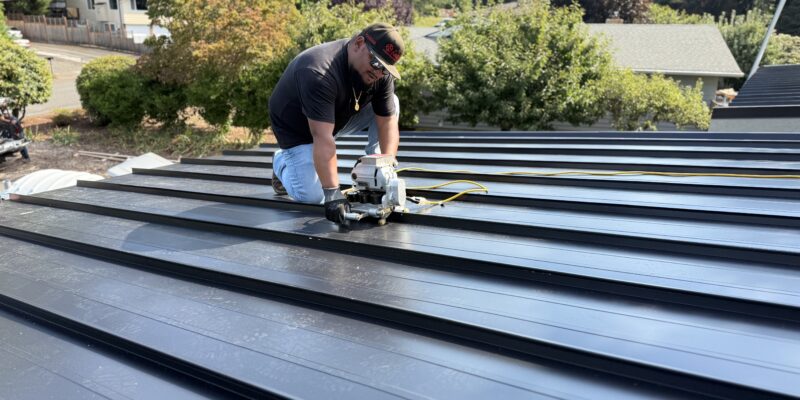
Not every roofing issue requires a completely new roof. In many situations, professional roof repair can restore damaged areas while extending the roof’s lifespan. Small leaks, isolated storm damage, flashing problems, or limited shingle deterioration are often excellent candidates for repair.
However, when damage becomes widespread or the roofing system reaches the end of its expected service life, roof replacement may provide greater long-term value. A new roofing system offers improved weather resistance, enhanced energy efficiency, and greater protection against future moisture intrusion.
An experienced contractor can evaluate the condition of both the roof and siding to recommend the most practical solution based on the home’s age, condition, and budget.
Why Regular Inspections Matter
Preventive maintenance remains one of the most effective ways to protect your home’s exterior. Annual inspections allow roofing professionals to identify developing issues before they become costly repairs.
Inspections typically include evaluating shingles, flashing, gutters, ventilation, siding condition, sealants, and drainage systems. Addressing small concerns early often prevents widespread water damage that affects multiple areas of the home.
Homeowners searching for trusted roofing King County, WA professionals should prioritize companies that provide comprehensive exterior inspections rather than focusing solely on the roof itself.
Protecting Your Investment for the Long Term
Your home is one of your largest financial investments, and protecting it requires regular attention to every part of the exterior. Roofing and siding are designed to work together, providing continuous protection against moisture, weather, pests, and changing temperatures.
Routine maintenance, prompt repairs, and quality materials all contribute to a longer-lasting exterior that preserves both the appearance and structural integrity of your home. Investing in preventive care today can significantly reduce the likelihood of expensive repairs in the future.
Roofing and siding are not separate systems competing for attention, they are partners that work together to protect your home from the elements. When both are properly installed and maintained, they create a strong exterior envelope that keeps moisture out, improves energy efficiency, and extends the life of the entire structure.
Whether you need timely roof repair after storm damage or are considering roof replacement as part of a larger exterior renovation, maintaining both your roof and siding is essential for long-term protection. By working with experienced roofing King County, WA professionals who understand the relationship between these critical systems, homeowners can ensure their property remains safe, comfortable, and well-protected for years to come.
About Us
With these factors in mind, and help from a professional general construction and gutter installation company like MBA Construction Corp, you’ll be able to create a beautiful and cohesive look that will last for years. For over 15 years, MBA Construction Corp has been the trusted professional gutter installation company in the Seattle and Puget Sound area, contact MBA Construction today to get started! Or call 206-753-9563.