
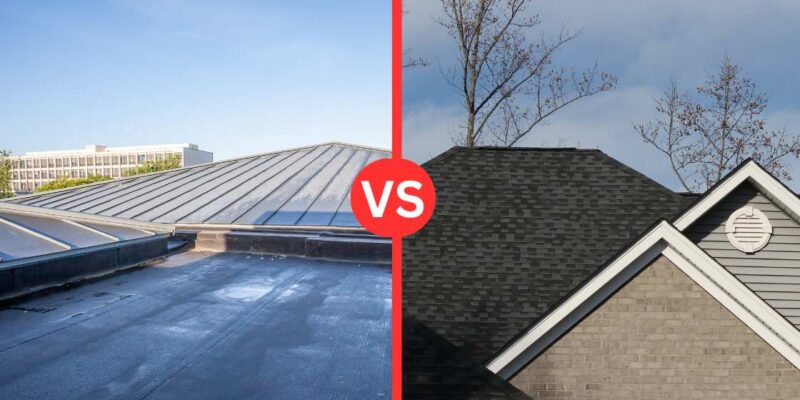
When it comes to roofing in the Puget Sound region, homeowners face unique challenges. From heavy rainfall and year-round moisture to occasional snow and strong winds, choosing the right roof design is critical. One of the most common questions homeowners ask when planning a new roof or replacement is: Should I choose a flat roof or a pitched roof?
Both options have their benefits and drawbacks, especially in a climate like Puget Sound’s. This guide will help you weigh the pros and cons of flat vs. pitched roofs and determine which option works best for your home.
Understanding Flat Roofs
Flat roofs are not entirely flat; they usually have a slight slope (1–10 degrees) to allow for water drainage. They are often found on modern homes, commercial buildings, and minimalist architectural designs.
Advantages of Flat Roofs
- Modern Aesthetic
Flat roofs give homes a sleek, contemporary look. Many homeowners in Seattle, Tacoma, and surrounding areas choose them to complement modern architecture. - Usable Space
A flat roof can double as a functional space. You can use it as a rooftop deck, garden, or even a solar panel installation area—something highly appealing in urban Puget Sound neighborhoods. - Cost-Effective Installation
Flat roofs generally require fewer materials and less labor to install, making them more affordable upfront than pitched roofs. - Easier Accessibility
Maintenance tasks like cleaning gutters, inspecting shingles, or installing rooftop equipment are simpler on flat roofs due to their safe, walkable surface.
Disadvantages of Flat Roofs
- Drainage Issues
Puget Sound receives 37–50 inches of rain annually, depending on location. Flat roofs drain slower than pitched roofs, increasing the risk of standing water, leaks, and moss growth. - Shorter Lifespan
Flat roofing materials—such as EPDM, TPO, or modified bitumen—tend to last 15–25 years. This is shorter compared to the lifespan of pitched roof shingles. - Insulation Challenges
Flat roofs may not offer as much natural insulation, potentially increasing heating costs during cold, damp Northwest winters. - Limited Style Compatibility
While modern homes look great with flat roofs, traditional craftsman and colonial-style homes common in Puget Sound neighborhoods typically suit pitched roofs better.
Understanding Pitched Roofs
Pitched roofs, also called sloped roofs, are the most common residential roofing style. The degree of slope can vary widely depending on design, from low-pitch to steep.
Advantages of Pitched Roofs
- Superior Water Drainage
With steep angles, pitched roofs allow rainwater and snow to slide off quickly, reducing the risk of leaks and standing water—an essential benefit in the rain-heavy Puget Sound climate. - Longer Lifespan
Pitched roofs, especially those made with asphalt shingles, metal, or clay tiles, can last 25–50 years depending on the material and maintenance. - Classic Curb Appeal
Pitched roofs complement a variety of architectural styles found throughout Seattle, Everett, Olympia, and beyond. They provide a timeless look that boosts curb appeal and resale value. - Energy Efficiency
The attic space under pitched roofs adds an extra layer of insulation, helping regulate indoor temperatures. This can reduce energy bills in both cold and hot weather. - Material Options
With pitched roofs, homeowners can choose from asphalt shingles, cedar shakes, metal roofing, slate, or tile—providing flexibility in style and durability.
Disadvantages of Pitched Roofs
- Higher Installation Costs
Pitched roofs are more expensive to install due to additional materials, structural requirements, and labor. - Difficult Accessibility
Steeper slopes make it harder and more dangerous for homeowners to perform DIY maintenance. - Wind Resistance Concerns
In areas with frequent windstorms, like coastal Puget Sound, steeply pitched roofs may experience higher wind uplift if not installed correctly.
Climate Considerations in Puget Sound
The Puget Sound region has a marine climate with:
- Frequent rainfall
- Damp winters
- Occasional snow
- Windy conditions in coastal areas
These factors make roof drainage and moisture resistance top priorities for homeowners.
- Flat roofs are more prone to leaks due to standing water, moss growth, and blocked drains.
- Pitched roofs naturally shed water and snow, making them a more reliable option for long-term durability.
Cost Comparison: Flat vs. Pitched Roofs
- Flat Roof Installation Costs: $8,000–$16,000 for an average-sized home in Puget Sound.
- Pitched Roof Installation Costs: $12,000–$25,000 depending on slope, materials, and size.
While flat roofs are cheaper initially, they often require more frequent roof repairs and replacements. Pitched roofs have higher upfront costs but a longer lifespan, which can make them more cost-effective over time.
Maintenance Needs
- Flat Roofs: Require frequent inspections, especially after storms. Homeowners need to clear debris, check for ponding water, and maintain drainage systems.
- Pitched Roofs: Require less frequent maintenance but may need professional help for cleaning gutters, moss removal, and replacing damaged shingles.
In Puget Sound, where moss and algae growth are common, both roof types benefit from regular roof cleaning and professional inspections.
Energy Efficiency and Solar Potential
- Flat Roofs: Easier to install solar panels because of the flat surface. Panels can be angled to capture maximum sunlight, which is valuable in the cloudy but solar-friendly Puget Sound region.
- Pitched Roofs: Solar installation depends on the slope and orientation. South-facing pitched roofs can generate excellent solar output, but north-facing slopes may be less efficient.
Which Roof is Right for Your Puget Sound Home?
The decision comes down to your budget, home design, and lifestyle goals.
Choose a flat roof if:
- You want a modern, minimalist design.
- You’d like to use your roof as a deck, garden, or solar space.
- You’re okay with regular maintenance and a shorter lifespan.
Choose a pitched roof if:
- You want maximum durability against Puget Sound’s rainfall and moisture.
- You prefer traditional architectural aesthetics.
- You want long-term energy efficiency and lower maintenance.
When comparing flat vs. pitched roofs in Puget Sound, the climate plays a huge role in decision-making. Flat roofs may appeal to those seeking a modern look and extra outdoor space, but they require diligent maintenance to handle the region’s rainfall. Pitched roofs, while more expensive upfront, generally provide better protection, longevity, and classic curb appeal—making them the more popular choice for most homeowners in the area.
Whether you’re replacing your current roof or building a new home, consult a local Puget Sound roofing contractor to assess your property’s needs. The right choice will not only protect your home from the elements but also enhance its long-term value.
With all these factors outlined in the article, and help from a professional roofer like MBA Construction Corp, you’ll be able to create a beautiful and cohesive look that will last for years. For over 15 years, MBA Construction Corp has been the trusted professional roofing company in Seattle and Puget Sound area, contact MBA Construction today to get started! Or call 206-753-9563.